
In today’s world, having a digital presence isn’t just an option—it’s essential. If you’re a complete beginner, the term “digital marketing” can feel overwhelming. But fear not! This guide will break down the basics, showing you how businesses use the internet to find and connect with customers.
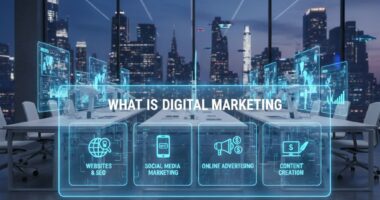
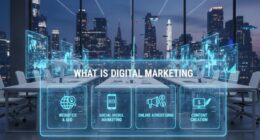
Simply put, digital marketing is any form of marketing that happens online. It’s about using digital channels like search engines, social media, email, and websites to promote your products or services.
Why is Digital Marketing So Important?
Think about your own habits. When you need a new product, a restaurant recommendation, or a service provider, where do you look first? For most people, the answer is Google or social media. Your potential customers are doing the same thing. Digital marketing puts your business right in front of them at the exact moment they’re looking.
Key benefits include:
-
Reaching a Huge Audience: You can connect with people locally or across the globe.
-
Cost-Effectiveness: It’s often more affordable than traditional advertising like TV or print.
-
Measurable Results: You can track exactly what’s working and what isn’t.
Core Channels of Digital Marketing
Digital marketing is a toolbox with several different instruments. You don’t need to use them all at once, but understanding each one is the first step.
Search Engine Optimization (SEO)
SEO is the art and science of making your website show up higher in Google’s free, organic search results. The goal is to be on the first page when someone types in a relevant query like “best running shoes” or “plumber near me.” This is done by optimizing your website’s content, technical structure, and building its authority.
Social Media Marketing
This involves using platforms like Facebook, Instagram, LinkedIn, and TikTok to build a community, engage with your audience, and promote your brand. You can post organic content (free) or run paid ads to reach a very specific group of people based on their interests, location, and demographics.
Content Marketing
This strategy focuses on creating and sharing valuable content (like blog posts, videos, or infographics) to attract and retain customers. Instead of directly selling, you provide information that solves a problem or answers a question, building trust and establishing yourself as an expert.
Email Marketing
Far from being dead, email marketing is one of the most powerful tools. It involves sending messages directly to a list of subscribers. This is perfect for nurturing relationships, announcing new products, offering special discounts, and driving repeat business.
Pay-Per-Click (PPC) Advertising
PPC is online advertising where you pay a fee each time someone clicks on your ad. The most common form is Google Ads, where your ad appears at the top of search results for specific keywords. Social media platforms also offer their own versions of PPC.
Getting Started: Your First Steps
-
Define Your Goal: What do you want to achieve? More website visitors? More sales? Brand awareness?
-
Know Your Audience: Who are you trying to reach? Understanding their needs and online habits is crucial.
-
Start Small: Don’t try to master everything at once. Pick one or two channels—like creating a great Google Business Profile and posting consistently on one social platform—and do them well.
Digital marketing is a journey of constant learning. Start with these fundamentals, experiment, track your results, and you’ll be well on your way to connecting with customers online.


5 comments
https://shorturl.fm/ua0y8
https://shorturl.fm/X1dHU
https://shorturl.fm/0oVh0
https://shorturl.fm/JDhys
https://shorturl.fm/HBCRQ